Don’t Let These 7 Homeowner “Scares” Haunt You
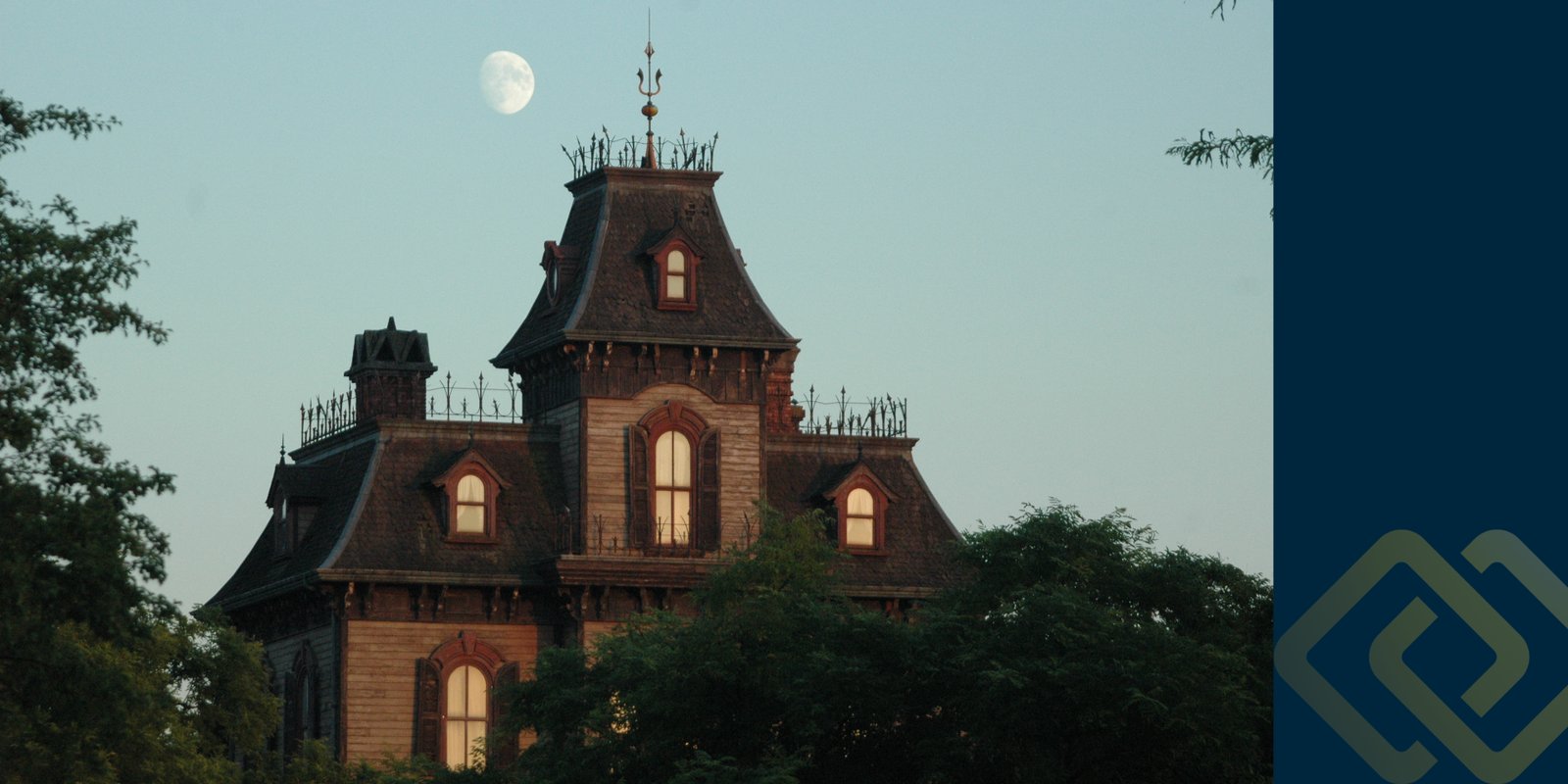
Buying a home is often a dream come true, filled with the excitement of creating your own space and building equity. Yet, even the most prepared homeowners can face unexpected challenges. The thought of a sudden roof leak or a malfunctioning HVAC system can certainly feel like a "homeowner scare" that keeps you up at night.
At The Mortgage Link, we understand that homeownership involves more than just the initial purchase. It’s about feeling secure and prepared for whatever comes your way. As a lender recognized on the 2025 Inc. 5000 list with 20+ local branches across 11 states, we are dedicated to empowering you with the knowledge and resources to navigate common household issues, transforming potential fears into manageable tasks.
The Mortgage Link’s Approach to Homeowner Preparedness
Our commitment extends beyond providing a wide range of loan programs; we aim to be a comprehensive resource for your entire homeownership journey. We believe that informed homeowners are confident homeowners. By understanding common issues and how to address them, you can protect your investment and maintain your peace of mind.
Let's explore some of the most common homeowner scares and how you can proactively prevent, identify, and address them.
1. The Chilling Reality of Frozen Pipes
Frozen pipes are a classic winter nightmare for homeowners, capable of causing significant water damage if they burst. This issue typically occurs when temperatures drop below freezing and water inside pipes expands as it turns to ice, creating immense pressure.
Prevention Tips:
- Insulate pipes, especially those in unheated areas like basements, crawl spaces, and exterior walls.
- Seal any cracks or holes in exterior walls and foundations that allow cold air to reach pipes.
- During extreme cold, keep cabinet doors open under sinks to allow warm air to circulate.
- Consider letting a faucet drip slightly to relieve pressure in the pipes, especially overnight.
If you suspect a frozen pipe, immediately turn off your main water supply. You may be able to thaw it safely with a hairdryer or heating pad, but if a pipe has burst or you’re unsure, it’s best to call a professional plumber. Costs can range from a few hundred dollars for thawing to several thousands for burst pipe repair and subsequent water damage restoration.
2. The Drip-Drop Dread of Roof Leaks
A leaky roof is not just an annoyance; it can lead to extensive damage to your home’s interior, insulation, and even structural components. Identifying and addressing leaks promptly is crucial.
Signs of a Roof Leak:
- Water stains on ceilings or walls, often discolored or spreading.
- Dripping sounds during rain, even if you can't see the source.
- Missing, cracked, or curled shingles visible from the ground.
- Granules from shingles accumulating in your gutters.
- Evidence of mold or mildew growth in your attic.
Regular roof inspections, ideally twice a year, can help catch small issues before they become major leaks. While small repairs might be a few hundred dollars, a significant leak requiring extensive shingle replacement or decking repair can easily run into thousands. Always choose a professional, licensed roofing contractor for repairs.
3. The Sudden Silence of HVAC Failure
Your Heating, Ventilation, and Air Conditioning (HVAC) system is vital for maintaining comfort in your home year-round. An unexpected breakdown, especially during extreme weather, can be a major inconvenience and expense.
Preventative Maintenance is Key:
- Change air filters regularly (every 1-3 months).
- Schedule annual professional tune-ups for both heating and cooling systems.
- Keep outdoor units clear of debris and vegetation.
- Ensure vents are unobstructed inside your home.
If your HVAC system fails, check the thermostat settings, circuit breakers, and outdoor unit for obvious issues. If these don't resolve the problem, call a professional HVAC technician. Minor repairs might cost a few hundred dollars, but major component replacement (like a compressor) or a full system replacement can range from several thousands to well over $10,000, depending on the system type and size.
4. The Creeping Threat of Foundation Issues
Foundation problems can be among the most intimidating homeowner scares, as they often suggest serious structural issues. However, not all cracks signify catastrophe, and early detection is key to managing costs.
Signs of Foundation Issues:
- Cracks in interior or exterior walls, especially horizontal or stair-step cracks.
- Uneven or sloping floors.
- Doors and windows that stick or don't close properly.
- Gaps around window or door frames.
- Bowing basement walls.
Foundation issues are often caused by soil expansion and contraction due to moisture changes, poor drainage, or even tree roots. If you notice any of these signs, it's crucial to consult a professional structural engineer or foundation repair specialist. Repair costs vary widely, from minor sealing work costing hundreds to major structural interventions costing tens of thousands.
5. The Uninvited Guests: Pest Problems
Whether it's rodents, termites, ants, or cockroaches, pest infestations can be unsettling, unhealthy, and damaging to your home. Taking proactive steps can often prevent these unwelcome visitors.
Pest Prevention Strategies:
- Seal cracks and openings in your home's foundation, walls, and around utility penetrations.
- Keep your home clean and free of food crumbs; store food in airtight containers.
- Trim trees and shrubs away from your home's foundation and roofline.
- Ensure proper drainage around your home to prevent standing water.
- Inspect for signs of pests regularly, especially in attics, basements, and pantries.
While some minor pest issues can be handled with DIY solutions, persistent or serious infestations (like termites or bed bugs) require professional pest control. Costs depend on the type of pest, severity of the infestation, and treatment method, ranging from a few hundred to several thousand dollars for extensive treatments.
6. The Cold Shock of a Broken Water Heater
Imagine waking up to no hot water – it’s a rude awakening and a common homeowner scare. Water heaters typically last 8-12 years, but they can fail unexpectedly, often due to sediment buildup, leaks, or component failure.
Water Heater Maintenance and Signs of Trouble:
- Flush your water heater annually to remove sediment, which improves efficiency and extends its life.
- Listen for banging or rumbling noises, which can indicate sediment buildup.
- Look for leaks around the base of the tank.
- Note if your hot water runs out faster than usual or isn't as hot.
If your water heater fails, check the pilot light (for gas models) or circuit breaker (for electric models). If these aren't the issue, contact a professional plumber. Minor repairs can cost a few hundred dollars, but replacement, especially if upgrading to a tankless or larger unit, can be $1,000 to $4,000 or more.
7. The Spark of Worry: Electrical Issues
Electrical problems can range from a minor annoyance to a serious fire hazard. It's crucial to treat any electrical issue with caution and, when in doubt, call a professional.
Signs of Electrical Problems:
- Flickering or dimming lights.
- Outlets or switches that are warm to the touch.
- Burning smells coming from outlets or appliances.
- Frequently tripping circuit breakers.
- Discolored outlets or scorch marks.
Never attempt complex electrical repairs yourself unless you are a qualified professional. Turn off the power at the main breaker before investigating minor issues. For anything beyond a simple lightbulb change, it’s safest to call a professional electrician. Repair costs vary greatly, from a few hundred dollars for minor wiring fixes to several thousands for panel upgrades or extensive rewiring.
Proactive Steps to Guard Against Homeowner "Scares"
Being a homeowner means being prepared. Here are some general tips to help mitigate these common scares:
- Build an Emergency Fund: Aim to have at least three to six months' worth of living expenses saved for unexpected home repairs or job loss.
- Regular Home Maintenance: Create a seasonal maintenance checklist to inspect and care for your home’s critical systems.
- Home Warranty: Consider a home warranty to help cover the cost of repairing or replacing major home systems and appliances. Understand what is covered and what isn't before purchasing.
- Professional Inspections: Don't hesitate to call professional inspectors or contractors for routine checks or when you suspect a problem.
At The Mortgage Link, we’re here to help you not only achieve homeownership but also thrive in it. Our personalized service means we’re available to discuss not just your loan options, but also how to budget for the realities of home maintenance.
Take the Next Step with The Mortgage Link
Don't let the thought of potential homeowner scares deter you from the joy and stability of owning a home. With proper planning and a trusted partner, you can approach homeownership with confidence. The Mortgage Link offers a wide range of loan programs and personalized service to help you find the right financial solution for your unique needs.
Our experienced professionals are ready to guide you through the process, from initial application to closing and beyond. We pride ourselves on transparent communication and competitive rates to help you achieve your homeownership goals. And if you're looking for help with moving, our Rockville branch also offers our convenient 'Use Our Truck' closing program to assist with your move.
Ready to explore your options and feel more prepared for homeownership? Get pre-approved today or contact us to speak with one of our dedicated loan officers.