Renting vs. Buying: How to Know When You’re Ready to Switch
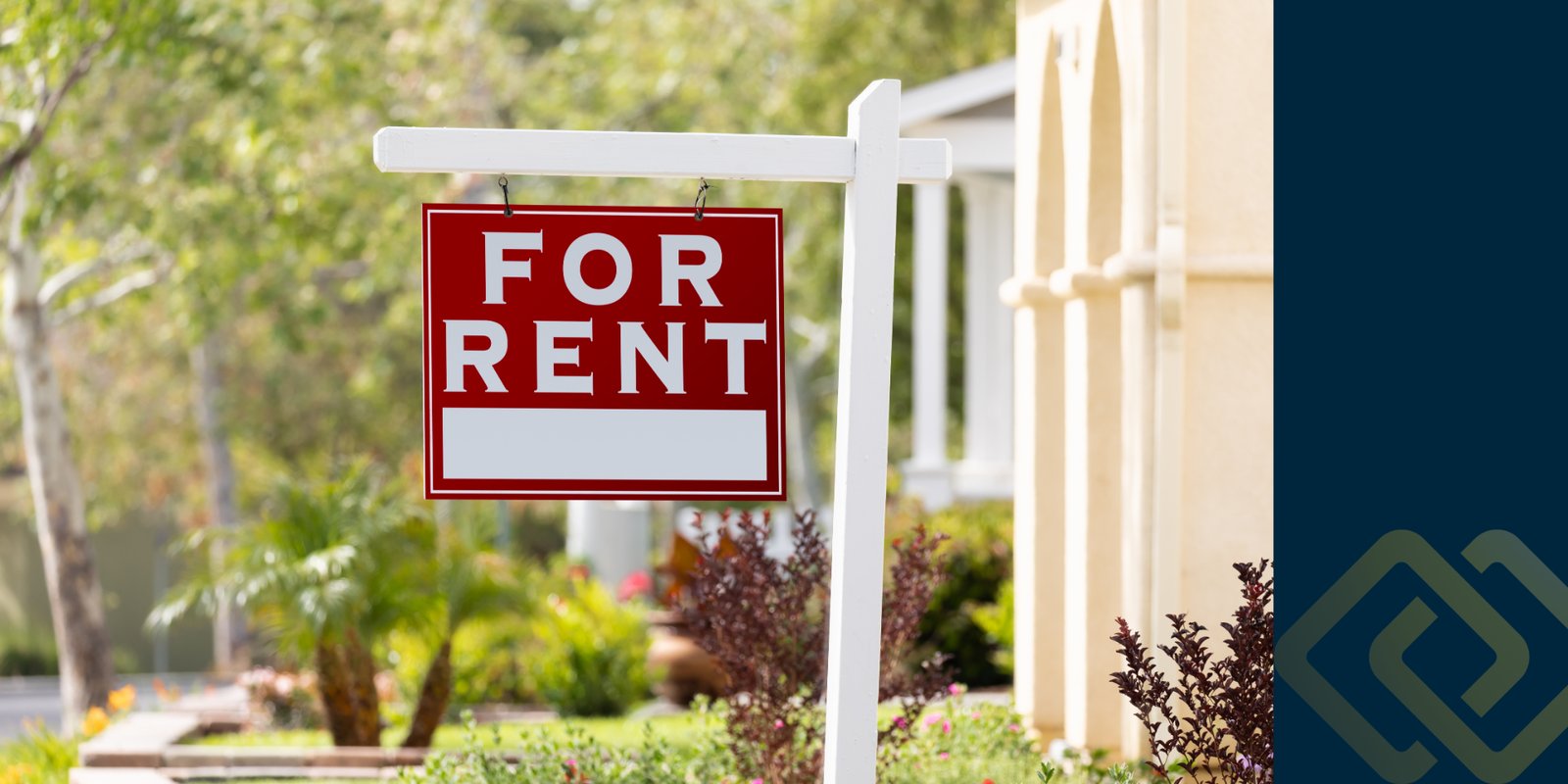
For many, the question of renting vs. buying is a significant financial and lifestyle decision. It’s a crossroads that most people encounter, often wondering if they should continue paying rent or make the leap into homeownership. There's no single right answer, and what works for one person may not be ideal for another. The key is understanding your current situation, future goals, and what "ready" truly means for you.
The Appeal of Renting: Flexibility and Fewer Responsibilities
Renting offers distinct advantages that make it the preferred choice for many individuals and families. The most significant benefit is often flexibility. If your job requires frequent relocation or if you enjoy the freedom to move to a new neighborhood or city without the complexities of selling a property, renting can be ideal.
Another major draw of renting is the limited responsibility for maintenance and repairs. When the furnace breaks or the roof leaks, it’s typically the landlord’s concern and expense, not yours. Renters often have predictable monthly housing costs, which can simplify budgeting, though rent increases can occur at lease renewal. This lower commitment level allows some to focus on other financial goals, like saving for retirement or paying down debt, without the immediate financial demands of homeownership.
The Dream of Homeownership: Building Equity and Stability
For many, owning a home represents a significant life achievement and a cornerstone of long-term financial stability. One of the primary benefits is building equity. This means that as you pay down your mortgage and as your home’s value potentially appreciates, you accumulate a valuable asset that can be a source of wealth over time. Equity can be leveraged for future financial needs or simply provide peace of mind.
Homeownership also offers unparalleled stability and a sense of permanence. You’re not subject to a landlord’s rules or decisions about your living space. You have the freedom to personalize your home, undertake renovations, and truly make it your own. Beyond the financial advantages, there’s often a strong emotional connection to owning a home, fostering a sense of community and providing a stable environment for families.
Financial Readiness: Assessing Your Budget and Savings
Determining your financial readiness is arguably the most crucial step in deciding whether to buy a home. It involves a comprehensive look at your income, debts, savings, and overall financial habits.
Understanding Your Credit Score
Your credit score is a numerical representation of your creditworthiness, reflecting your history of borrowing and repaying debt. Lenders use this score to evaluate your risk as a borrower. A higher credit score typically gives you access to more favorable loan terms and competitive rates. It's wise to review your credit report for accuracy and work to improve your score if needed before applying for a mortgage.
Saving for a Down Payment
A down payment is the initial amount of money you pay upfront toward the purchase of a home. While a traditional 20% down payment is often cited, many loan programs allow for much lower down payments, sometimes as little as 3-5% or even 0% for specific programs like VA or USDA loans. The more you put down, the less you’ll need to borrow, which can result in lower monthly payments and less interest paid over the life of the loan.
Managing Your Debt-to-Income (DTI) Ratio
Your debt-to-income (DTI) ratio is a key metric lenders use to assess your ability to manage monthly payments and repay a loan. It compares your total monthly debt payments (including the potential mortgage payment) to your gross monthly income. A lower DTI ratio indicates less risk and typically makes it easier to qualify for a mortgage. It’s a good idea to pay down high-interest debts, such as credit card balances, before applying for a home loan.
Building Emergency Savings
Beyond the down payment and closing costs, having an emergency fund is essential for homeowners. Unexpected expenses, such as home repairs, appliance failures, or job loss, can arise. A robust emergency fund, typically three to six months of living expenses, provides a vital financial cushion and peace of mind, ensuring you can manage unforeseen costs without jeopardizing your home.
The Importance of Pre-Approval
Getting pre-approved for a mortgage is a crucial first step in the homebuying process. A pre-approval means a lender has reviewed your financial information and determined how much you could potentially borrow. This gives you a clear budget when house hunting, shows sellers you are a serious buyer, and streamlines the eventual loan application process. We encourage you to get pre-approved to understand your buying power.
Understanding the Costs of Homeownership Beyond the Mortgage Payment
While the monthly mortgage payment is the largest and most apparent cost of owning a home, it’s far from the only one. Renters need to be aware of the additional expenses that come with homeownership to budget effectively and avoid surprises.
- Closing Costs: These are fees paid at the close of a real estate transaction. They include various charges such as loan origination fees, appraisal fees, title insurance, attorney fees, and recording fees. Closing costs typically range from 2% to 5% of the loan amount, though this can vary. It’s important to budget for these in addition to your down payment.
- Property Taxes: Local governments levy property taxes based on the assessed value of your home. These taxes fund public services like schools, roads, and emergency services. They are an ongoing cost, often included in your monthly mortgage payment (through an escrow account), and can fluctuate over time.
- Homeowners Insurance: This mandatory insurance protects your home and belongings from damage due to events like fire, theft, or natural disasters. It also provides liability coverage. Like property taxes, homeowners insurance is often included in your monthly mortgage payment via an escrow account.
- Maintenance and Repairs: Unlike renting, homeowners are responsible for all upkeep. This includes routine maintenance like lawn care and gutter cleaning, as well as unexpected repairs to appliances, plumbing, HVAC systems, or the roof. It’s wise to set aside a portion of your budget monthly for these potential costs.
- Homeowners Association (HOA) Fees: If you purchase a home in a planned community, condominium, or townhouse development, you may be required to pay HOA fees. These monthly or annual fees cover the maintenance and amenities of common areas, such as parks, pools, or shared landscaping. HOA fees are an additional ongoing cost to consider.
Lifestyle and Long-Term Goals: Is Your Life Aligned with Homeownership?
Beyond the financial numbers, your lifestyle and future plans play a significant role in the renting vs. buying decision. Homeownership is a significant commitment that impacts how you live and where you can go.
Stability vs. Mobility
Are you ready to settle down in one place for several years? Homeownership typically makes sense if you plan to stay in the same area for at least five to seven years. Moving within that timeframe can make it challenging to recoup closing costs and real estate fees, potentially reducing or negating any equity gains. If your career or personal life demands frequent moves, renting might offer the flexibility you need.
Time Commitment
Owning a home comes with a time commitment. There's yard work, cleaning, maintenance, and the occasional DIY project. While you can hire professionals for these tasks, that comes with additional costs. Consider if you have the time, desire, or budget to manage the ongoing upkeep a home requires. Renting often frees up this time, allowing you to pursue other interests.
Community Ties and Future Plans
Do you envision putting down roots in a particular community? Homeownership can foster stronger connections to a neighborhood and local services. Consider your long-term goals, such as starting a family, career progression, or retirement plans. For many, a home is not just an asset but a foundation for their future life aspirations. If you dream of creating a personalized living space and contributing to a community for the long haul, buying might align better with your vision.
Exploring Your Loan Options: A Path for Every Buyer
The Mortgage Link is proud to offer a wide range of loan programs designed to meet diverse financial situations and goals. Our experienced loan officers are dedicated to helping you explore these options and find the best fit for your needs.
- Conventional Loans: These are not backed by a government agency and often require a good credit score. They can be a good option for those with strong financial standing and may offer various down payment options.
- FHA Loans: Backed by the Federal Housing Administration, these loans are popular for first-time homebuyers and those with lower down payments or less-than-perfect credit. They have specific requirements but can make homeownership more accessible.
- VA Loans: Available to eligible active-duty service members, veterans, and surviving spouses, VA loans are a fantastic benefit offering competitive rates and often no down payment required. This program is a well-deserved thank you to those who have served our country.
- USDA Loans: Supported by the U.S. Department of Agriculture, these loans are designed for low-to-moderate income borrowers in eligible rural and suburban areas. They often feature competitive rates and no down payment requirements, helping to promote development in these communities.
Our goal at The Mortgage Link is to provide personalized service. We don't believe in a one-size-fits-all approach. With 20+ local branches across 11 states, our team can offer tailored advice and guidance, leveraging our extensive portfolio of loan programs to help you see if you qualify for the home loan that’s right for you.
Making the Decision: A Professional’s Guidance
The decision to switch from renting to buying is deeply personal, influenced by your unique financial situation, lifestyle, and aspirations. It’s a significant milestone, and having the right support can make all the difference.
At The Mortgage Link, we’re recognized on the 2025 Inc. 5000 list, a testament to our commitment to excellence and serving our communities. Our local professional loan officers are more than just lenders; they are advisors dedicated to understanding your individual needs and guiding you every step of the way. We believe in providing transparent, educational support so you can make informed decisions with confidence.
We invite you to connect with one of our professionals at any of our branches. They can help you assess your readiness, clarify the costs involved, and explore the extensive range of loan programs available. When you’re ready to buy, we're ready to help you navigate the process smoothly, from pre-approval to closing. And for those closing on a home at our Rockville, MD location, you can even use our complimentary moving truck program, making your move a little easier.
The question of renting vs. buying is about finding the right timing for you. By carefully evaluating your financial health, understanding all the costs of homeownership, and aligning with your long-term goals, you can make this transition with clarity and confidence.
Take the Next Step with The Mortgage Link
Ready to explore your options and see if homeownership is within reach? The Mortgage Link is here to help you understand what it takes to switch from renting to buying. Our dedicated team is committed to providing you with personalized service and competitive rates. Let us help you navigate the journey to your new home.
Don't wait to turn your homeownership dreams into a reality. You can apply to get pre-approved today or contact us to speak with a loan officer. We look forward to connecting with you!