Fed Rate Cuts vs. Mortgage Rates: The Real Link
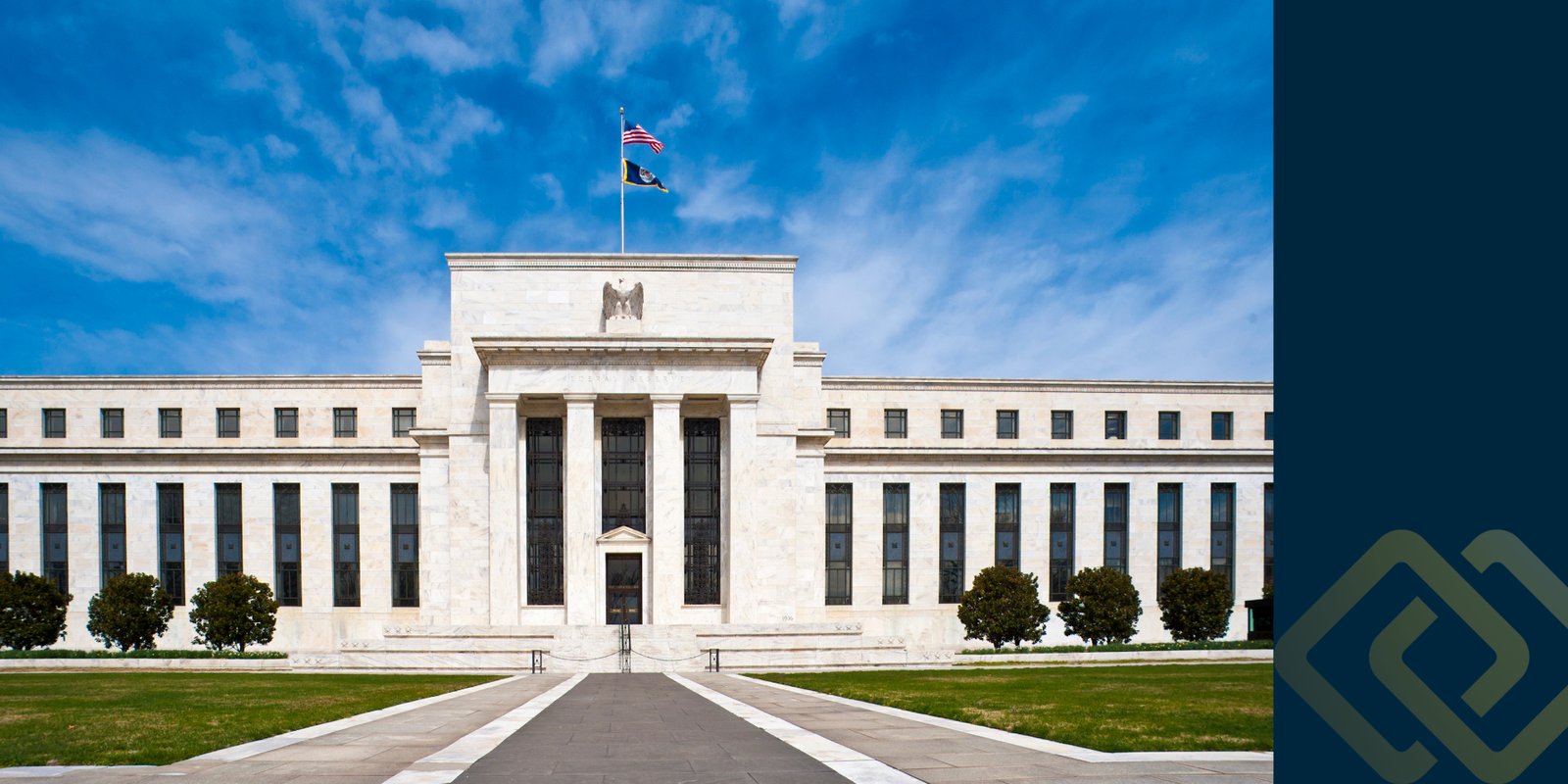
As you navigate the exciting journey of homeownership or consider refinancing your current mortgage, you’ll undoubtedly hear a lot of talk about interest rates. Among the most frequent headlines is news about the Federal Reserve (the Fed) and its decisions regarding the federal funds rate. It's a common misconception that when the Fed cuts this rate, mortgage rates will immediately drop by the same amount, making borrowing instantly cheaper. At The Mortgage Link, we understand why this myth persists, and our goal is to clear up the confusion.
The truth about the federal funds rate and mortgage rates is more nuanced than a simple 1-for-1 correlation. While the Fed's actions do influence the broader economy and, by extension, the housing market, they don't directly control what you pay for your home loan. Understanding this distinction is key to making informed decisions about your mortgage.
We're here to break down the complexities, explain what truly drives mortgage rates, and help you understand how economic signals can impact your financial planning. With our deep industry knowledge and local presence across 20+ branches in 11 states, we empower you with the insights you need.
Understanding the Federal Funds Rate: Not Your Mortgage Rate
Let's start by defining what the Federal Funds Rate (FFR) actually is. This is the target interest rate set by the Federal Open Market Committee (FOMC) of the U.S. central bank. It represents the rate at which commercial banks lend their excess reserves to each other overnight to meet reserve requirements.
It's crucial to understand that the FFR is a short-term benchmark rate, specifically for interbank lending. It directly influences short-term interest rates for things like credit cards, auto loans, and certain adjustable-rate mortgages (ARMs). However, it is not the rate you see quoted for a 30-year fixed-rate mortgage.
The Fed adjusts the FFR to manage inflation, promote maximum employment, and stabilize financial markets. When the economy is overheating, they may raise the FFR to slow down borrowing and spending. When the economy needs a boost, they may lower it to encourage economic activity. These actions send signals to the market, but their direct impact on long-term mortgage rates is indirect and often delayed.
The Mortgage Market's Unique Drivers: Mortgage-Backed Securities (MBS)
So, if the Fed rate isn't your mortgage rate, what is? The primary driver of fixed mortgage rates is the market for Mortgage-Backed Securities (MBS). These are financial instruments that represent claims to the cash flows from pools of mortgage loans. Think of them as bonds that are secured by mortgages.
When you take out a mortgage, your loan is often bundled with thousands of others and sold to investors as an MBS. The interest rate you receive on your mortgage is closely tied to the yield (return) investors demand for these MBS. If investors demand a higher yield, mortgage rates typically go up. If they accept a lower yield, rates may come down.
Many factors influence MBS yields, including:
- Inflation Expectations: Investors demand higher yields on MBS when they expect inflation to erode the value of future payments.
- Economic Growth: Strong economic growth can lead to higher interest rates across the board as demand for capital increases.
- Supply and Demand: The volume of new MBS being issued versus investor demand for them.
- Global Economic Climate: International events and economic stability can influence investor behavior.
Because MBS are long-term investments, their yields tend to track other long-term bonds, most notably the U.S. 10-Year Treasury yield, more closely than they do the short-term federal funds rate.
The Indirect Relationship: How the Fed Rate Can Influence Mortgage Rates
While not a direct 1-for-1 correlation, the Fed's actions regarding the federal funds rate certainly have an indirect influence on mortgage rates. Here’s how:
- Market Sentiment and Expectations: The Fed's statements and actions significantly shape investor sentiment and expectations about the future direction of the economy, inflation, and interest rates. If the Fed signals an aggressive stance against inflation, investors might anticipate a slowdown, potentially leading to lower long-term rates. Conversely, a dovish stance could suggest future inflation, pushing long-term rates higher.
- Inflation Control: The Fed’s primary mandate is price stability. If the Fed successfully controls inflation, this generally benefits the long-term bond market, including MBS, by reducing the risk of future purchasing power erosion. Lower perceived inflation risk can lead to lower long-term yields, which may translate to more competitive mortgage rates.
- Quantitative Easing/Tightening: Beyond just setting the federal funds rate, the Fed sometimes engages in "quantitative easing" (buying large quantities of government bonds and MBS) or "quantitative tightening" (selling them). When the Fed buys MBS, it directly increases demand, which typically helps to push their yields down, potentially lowering mortgage rates. Conversely, selling MBS has the opposite effect.
Why You Don't See a 1-for-1 Drop (or Rise)
The common myth is that a 0.25% cut in the federal funds rate will automatically lead to a 0.25% drop in mortgage rates. As we've discussed, this is rarely the case, and here's why:
Anticipation vs. Reaction: Financial markets are forward-looking. They often "price in" anticipated Fed moves well before they happen. If a rate cut is widely expected, the bond market (including MBS) may have already adjusted its yields in advance. When the Fed makes the announcement, there might be little to no additional movement in mortgage rates because the market had already factored it in.
- Long-Term vs. Short-Term: Mortgage rates are primarily tied to long-term bonds, which react differently to economic news than short-term rates. The FFR is a very short-term rate.
- Other Overriding Factors: Even if the Fed lowers the FFR, other powerful economic forces can counteract or overwhelm that influence on mortgage rates. For example, if the economy shows signs of strong growth and increasing inflation at the same time the Fed cuts rates, long-term bond investors might demand higher yields to compensate for inflation risk, pushing mortgage rates up despite the Fed cut.
- Market Volatility: Mortgage rates can be quite volatile, moving daily based on incoming economic data, geopolitical events, and investor sentiment, not just Fed announcements.
Key Factors That Really Drive Mortgage Rates
Understanding the actual drivers of mortgage rates empowers you to make smarter decisions. Here are the most significant factors:
Economic Indicators
- Inflation Reports: Data like the Consumer Price Index (CPI) and Personal Consumption Expenditures (PCE) are closely watched. Higher inflation typically leads to higher mortgage rates as lenders seek to preserve the purchasing power of their returns.
- Employment Data: Strong job growth, reflected in reports like the monthly unemployment rate and non-farm payrolls, often signals a robust economy, which can put upward pressure on rates.
- Gross Domestic Product (GDP): A rising GDP indicates economic expansion, which generally corresponds with higher demand for money and potentially higher rates.
- Consumer Confidence: Surveys on consumer sentiment can indicate future spending habits, impacting overall economic outlook and thus rates.
The Bond Market
- 10-Year Treasury Yield: This is arguably the most-watched indicator for fixed mortgage rates. While not directly linked, the 10-Year Treasury yield serves as a benchmark for many long-term interest rates. Mortgage rates tend to move in the same direction as the 10-Year Treasury yield.
- Mortgage-Backed Securities (MBS) Demand: As explained, the demand from investors for MBS directly impacts their yields and, consequently, mortgage rates. Anything that makes MBS more or less attractive to investors will affect rates.
Global Events
- Geopolitical Stability: Periods of global uncertainty often lead investors to seek "safe haven" assets, like U.S. Treasury bonds. Increased demand for these bonds can drive their yields down, potentially lowering mortgage rates.
- International Economic Shifts: Major economic news from other countries can influence global capital flows and investor behavior, indirectly affecting U.S. bond markets and mortgage rates.
Your Personal Financial Profile
- Credit Score: A strong credit history and higher credit score typically qualify you for more competitive rates, as you are perceived as a lower risk to lenders.
- Loan Type and Term: Different loan programs (e.g., FHA, VA, Conventional) and terms (e.g., 15-year fixed, 30-year fixed, ARM) come with varying rates.
- Down Payment Amount: A larger down payment can reduce the loan amount and may sometimes qualify you for a better rate.
- Debt-to-Income (DTI) Ratio: Your DTI, which compares your monthly debt payments to your gross monthly income, is a key factor in assessing your ability to repay a loan.
What This Means for You as a Homebuyer or Homeowner
Given the complex interplay of factors, waiting for the Fed to make a move before considering a mortgage could mean missing out on favorable market conditions. Mortgage rates are dynamic, and they often shift based on market sentiment and economic data even before the Fed acts.
Instead of fixating on Fed announcements, we encourage you to:
- Stay Informed: Understand the broader economic indicators that influence long-term rates.
- Get Pre-Approved: This is a crucial first step. A pre-approval gives you a clear understanding of your borrowing power and what today's market rates look like for your specific situation. It also makes your offer more attractive to sellers.
- Consult a Local Professional: Our team at The Mortgage Link deeply understands both national trends and local market dynamics. With 20+ branches across 11 states, we have local loan officers who can provide personalized advice tailored to your financial goals and the specific conditions in your area. We can help you navigate the range of loan programs available to find the one that best fits your needs.
The Mortgage Link Difference
At The Mortgage Link, we pride ourselves on being more than just a lender; we're your partner in homeownership. Our recognition on the 2025 Inc. 5000 list reflects our commitment to excellence, innovation, and customer satisfaction.
We offer:
- Personalized Service: Our local loan officers take the time to understand your individual needs, answering your questions patiently and guiding you every step of the way.
- Extensive Loan Program Range: Whether you’re a first-time homebuyer, looking to refinance, or seeking a specialized loan, we offer a diverse portfolio of loan programs to meet various financial situations.
- Community Focus: With branches conveniently located throughout our service areas, we are part of your community, ready to offer support and resources.
Take the Next Step with The Mortgage Link
Understanding the connection between the Federal Funds Rate and mortgage rates is an important piece of the home financing puzzle. While the Fed's actions send important signals, your mortgage rate is ultimately shaped by a broader set of economic forces and your personal financial situation. Don't let common myths prevent you from exploring your options.
The best way to prepare is to speak with a trusted loan officer who can provide clarity on today's market conditions and guide you through the process. We're ready to help you understand your opportunities and find the right solution for your home financing needs.
Are you ready to see what's possible? Get pre-approved today or contact us to connect with a local mortgage professional at The Mortgage Link. We look forward to helping you achieve your homeownership dreams.