Understanding Construction Loans
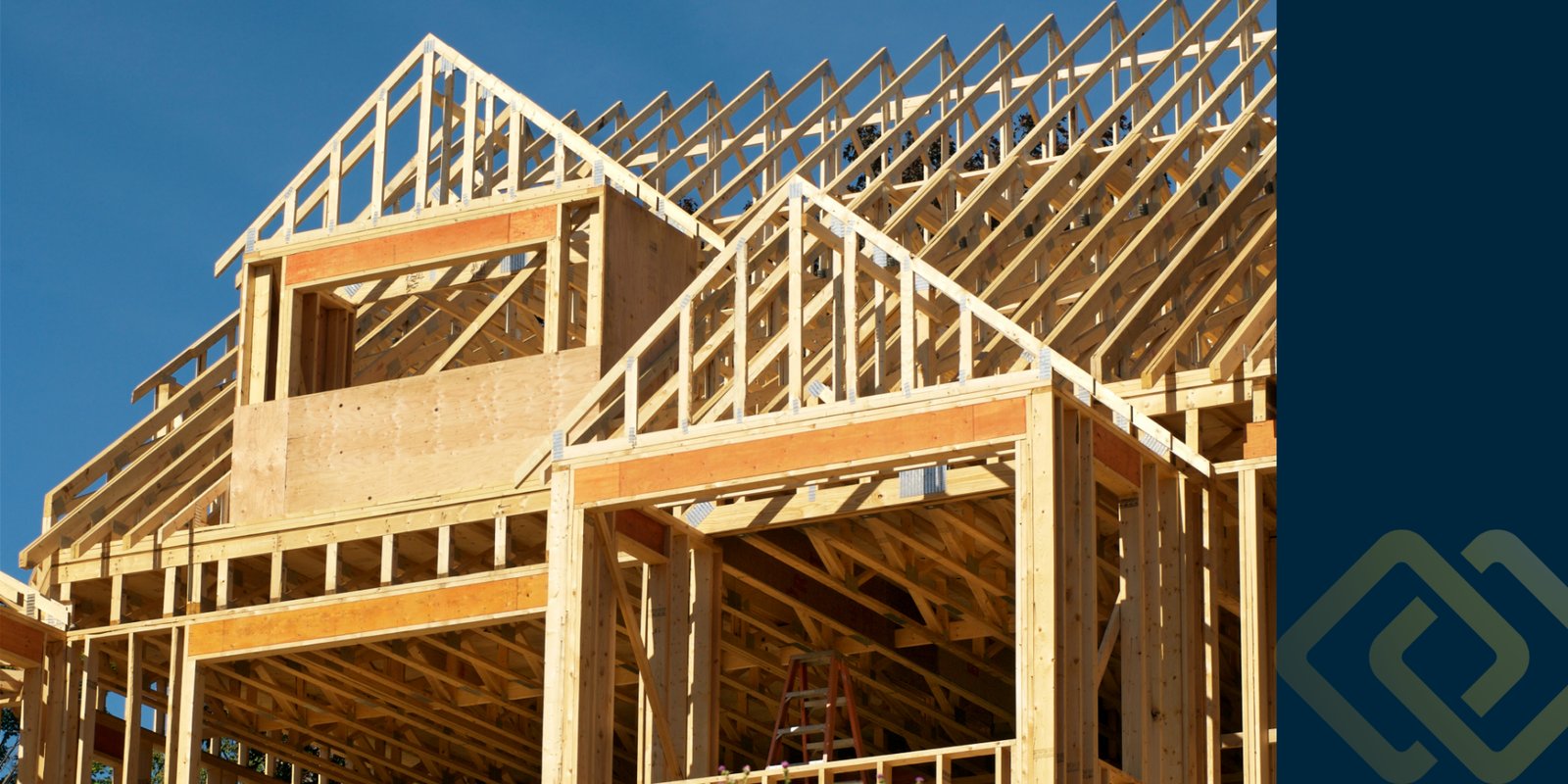
Construction loans provide specialized financing for building new homes or major renovations, representing a unique category within mortgage loan types. Unlike traditional mortgages that finance existing properties, construction loans fund the building process itself, requiring different underwriting approaches, disbursement methods, and risk management strategies.
These loans recognize that building a home involves different financial dynamics than purchasing existing properties. Construction projects require funding at various stages, carry completion risks, and involve multiple parties including builders, contractors, and inspectors who all influence the loan's success.
Construction loans serve borrowers who want to build custom homes, cannot find suitable existing properties, or need extensive renovations that exceed traditional renovation loan limits. Understanding how these specialized loans work helps you determine if construction financing aligns with your homeownership goals.
Types of Construction Loans
Several construction loan types serve different building needs and financial strategies.
Construction-to-Permanent Loans
Construction-to-permanent loans provide financing for both the construction phase and permanent mortgage in a single transaction. During construction, borrowers typically pay interest only on funds disbursed, with the loan converting to a traditional mortgage upon completion.
This single-closing approach reduces costs and complexity compared to separate construction and permanent financing, making it the most popular option for most borrowers building primary residences.
Construction-Only Loans
Construction-only loans provide short-term financing during the building phase, typically 6-18 months, with borrowers arranging separate permanent financing upon completion. These loans require two separate closings and qualification processes.
Construction-only loans may appeal to borrowers who want flexibility in permanent financing options or expect significant changes in their financial situation during construction.
Renovation Construction Loans
Renovation construction loans finance major home improvements and remodeling projects that exceed typical home improvement loan limits. These loans work for extensive renovations, additions, or rebuilding projects.
Popular renovation loan programs include FHA 203(k) loans for moderate renovations and Fannie Mae HomeStyle loans for more extensive projects, each with specific requirements and limits.
Owner-Builder Construction Loans
Owner-builder loans serve borrowers who plan to act as their own general contractor during construction. These loans typically have more stringent requirements due to increased risk associated with inexperienced project management.
Lenders may require construction experience, detailed project plans, and enhanced oversight during the building process for owner-builder financing.
Construction Loan Requirements
Construction loans typically have more stringent qualification requirements than traditional mortgages due to project complexity and completion risks.
Credit Score Requirements
Most construction loan programs require minimum credit scores of 680-720, higher than many traditional mortgage programs. The enhanced requirements reflect increased risk and complexity associated with construction projects.
Excellent credit demonstrates financial stability and management skills important for successfully completing complex construction projects.
Down Payment Requirements
Construction loans typically require larger down payments, often 20-30% of the total project cost. Some programs may accept lower down payments with compensating factors, but substantial down payments are standard.
Larger down payments reduce lender risk and demonstrate borrower commitment to project completion, particularly important given construction timeline and cost variables.
Income and Employment Verification
Stable employment and income are crucial for construction loan approval, as projects often take 6-12 months or longer to complete. Lenders verify ability to make interest-only payments during construction and full mortgage payments after completion.
Self-employed borrowers may face enhanced scrutiny due to income variability, requiring additional documentation and sometimes larger down payments or reserves.
Cash Reserves
Construction loans often require substantial cash reserves beyond down payment and closing costs, typically 2-6 months of mortgage payments. These reserves provide cushion for cost overruns and unexpected expenses.
Reserve requirements may be higher for custom homes, complex projects, or first-time builders who may face unexpected challenges during construction.
The Construction Loan Process
Construction financing involves a more complex process than traditional mortgages, with multiple stages and ongoing oversight requirements.
Pre-Construction Planning
Project Planning: Develop detailed construction plans, specifications, and timelines with qualified architects and builders before applying for financing.
Cost Estimation: Obtain detailed cost estimates from contractors, including materials, labor, permits, and contingencies for unexpected expenses.
Builder Selection: Choose qualified, licensed, and insured builders with strong references and appropriate experience for your project type.
Permit Acquisition: Secure necessary building permits and approvals before loan closing, as lenders typically require permits for disbursement.
Application and Approval Process
Loan Application: Submit detailed application including construction plans, cost estimates, builder contracts, and personal financial information.
Property Appraisal: Lenders order appraisals based on proposed construction plans and specifications, establishing the projected value upon completion.
Builder Verification: Lenders verify builder licenses, insurance, references, and financial stability to ensure project completion capability.
Plan Review: Lenders review construction plans, specifications, and cost estimates to assess project feasibility and loan amount appropriateness.
Disbursement and Construction Phase
Interest-Only Payments: During construction, borrowers typically make interest-only payments on funds disbursed, with rates often floating based on prime rate.
Draw Schedule: Funds are disbursed according to predetermined schedules based on construction milestones, typically 4-6 draws throughout the project.
Inspection Requirements: Lenders require inspections at each draw stage to verify work completion and quality before releasing additional funds.
Timeline Management: Monitor construction progress and communicate with lenders about any delays or changes that might affect the loan timeline.
Construction Draw Process
The draw process manages fund disbursement throughout construction, protecting both borrowers and lenders while ensuring project progress.
Typical Draw Schedule
First Draw (10-15%): Foundation completion, including excavation, footings, and foundation walls.
Second Draw (25-30%): Framing completion, including walls, roof structure, and basic structural elements.
Third Draw (45-50%): Dry-in stage, including roofing, siding, windows, and doors with weather protection complete.
Fourth Draw (70-75%): Mechanical completion, including plumbing, electrical, and HVAC rough-in work.
Fifth Draw (90-95%): Near completion, including flooring, fixtures, painting, and most finish work.\
Final Draw (100%): Project completion, including final inspections, certificate of occupancy, and punch list completion.
Draw Request Process
Progress Documentation: Provide photos, inspection reports, and contractor invoices documenting completed work for each draw request.
Lender Inspection: Lenders typically conduct inspections or hire third-party inspectors to verify work completion before approving draws.
Fund Release: Upon approval, lenders release funds directly to borrowers or contractors, depending on loan structure and agreements.
Managing Construction Costs
Effective cost management helps ensure projects stay within budget and loan limits while achieving desired quality and features.
Budget Development
Detailed Estimates: Obtain comprehensive cost estimates including materials, labor, permits, utilities, and contingencies for unexpected expenses.
Contingency Planning: Include 10-20% contingencies in budgets to handle unexpected costs, change orders, and market price fluctuations.
Value Engineering: Work with builders and architects to optimize costs while maintaining quality and desired features.
Cost Control Strategies
Fixed-Price Contracts: Consider fixed-price contracts with builders to limit cost overrun risks, though ensure contracts include appropriate change order procedures.
Material Selection: Choose materials and finishes early in the process to lock in pricing and avoid delays or cost increases.
Regular Monitoring: Track actual costs against budgets throughout construction to identify issues early and make necessary adjustments.
Handling Cost Overruns
Additional Funding: Prepare for potential cost overruns through additional personal funds, as construction loans typically don't increase after approval.
Scope Adjustments: Consider reducing project scope or deferring some features if costs exceed budgets significantly.
Alternative Financing: Explore home equity lines of credit or other financing options for cost overruns that exceed available personal funds.
Converting to Permanent Financing
The conversion from construction to permanent financing marks the completion of your building project and transition to traditional homeownership.
Construction-to-Permanent Conversion
Automatic Conversion: Most construction-to-permanent loans automatically convert upon project completion and final inspections.
Rate Determination: Permanent rates may be locked at initial application or determined at conversion, depending on loan program structure.
Final Documentation: Complete final paperwork, provide certificate of occupancy, and satisfy any remaining loan conditions.
Separate Permanent Financing
New Loan Application: Construction-only borrowers must apply for new permanent financing, requiring fresh qualification and documentation.
Property Appraisal: New appraisals based on completed construction establish value for permanent loan amounts.
Rate Shopping: Opportunity to shop for best permanent financing rates and terms from multiple lenders.
Construction Loan Challenges
Building homes involves unique challenges that borrowers should understand and prepare for before beginning construction projects.
Timeline Risks
Weather Delays: Construction timelines can extend due to weather, affecting interest costs and project completion schedules.
Material Delays: Supply chain issues can delay projects, requiring timeline adjustments and potentially affecting loan terms.
Permit Delays: Local permit and inspection processes can create unexpected delays requiring timeline and budget adjustments.
Cost Management
Change Orders: Modifications during construction can increase costs beyond original budgets and loan amounts.
Market Fluctuations: Material and labor cost increases during construction can affect project budgets and completion costs.
Quality Issues: Defects or quality problems may require corrections that affect timelines and costs.
Builder Relationships
Communication: Maintain regular communication with builders and contractors to address issues promptly and avoid delays.
Performance Monitoring: Monitor builder performance and work quality throughout the project to ensure satisfactory completion.
Dispute Resolution: Understand contract terms and dispute resolution procedures in case of conflicts or performance issues.
Alternative Construction Financing
Several alternatives to traditional construction loans may work for specific situations or borrower needs.
Owner Financing
Some borrowers use personal funds, investments, or other resources to finance construction, avoiding construction loan complexity and costs.
Home Equity Financing
Existing homeowners may use home equity loans or lines of credit to finance construction of second homes or major renovations.
Builder Financing
Some builders offer financing programs or partnerships with lenders that may provide streamlined approval and competitive terms.
Renovation Loan Programs
For extensive renovations, specialized renovation loan programs like FHA 203(k) or Fannie Mae HomeStyle may provide alternatives to construction loans.
Working with Construction Professionals
Successful construction projects require effective relationships with qualified professionals throughout the building process.
Selecting Qualified Builders
Licensing and Insurance: Verify proper licensing, insurance coverage, and bonding for all contractors and subcontractors.
References and Portfolio: Review previous work, speak with past clients, and verify builder reputation and quality standards.
Professional Team Coordination
Architect Coordination: Work with architects to develop plans that meet both your needs and lender requirements for financing.
Inspector Relationships: Understand inspection requirements and maintain good relationships with inspectors for smooth draw approvals.
Communication Systems: Establish clear communication protocols with all team members to ensure coordination and issue resolution.
Working with The Mortgage Link
At The Mortgage Link, we specialize in construction loan financing and understand the unique requirements and challenges involved in building homes. Our experienced team guides borrowers through the complex construction loan process from initial planning through project completion.
We work with qualified builders and contractors throughout our markets and can help connect borrowers with reputable professionals experienced in construction loan requirements. Our goal is to make the construction financing process as smooth as possible while ensuring successful project completion.
From initial consultation through conversion to permanent financing, we provide the expertise and support needed for successful construction projects.
Ready to explore construction loan options for building your dream home? Contact The Mortgage Link today to discuss your building plans and learn how our construction loan expertise can help you finance your custom home project successfully.

Related: Explore other mortgage loan programs that might work for your situation, or learn about renovation loan alternatives for extensive home improvement projects.